
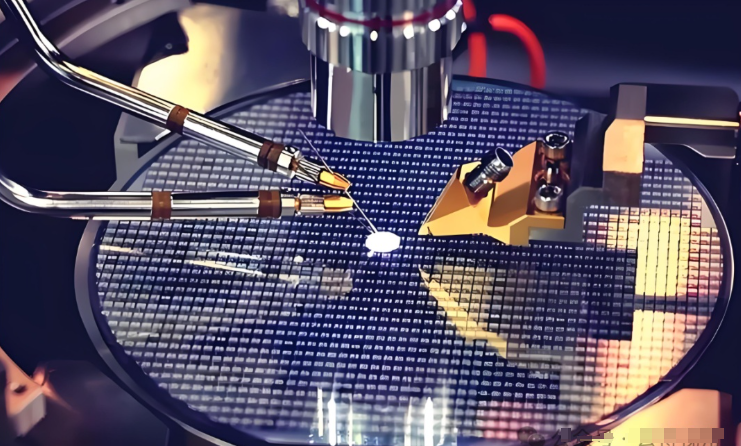
On the lithography floor, temperature isn’t just another parameter—it is the process. A 2°C swing during soft bake spreads photoresist thickness, and a hard bake that drifts even a little will push critical dimension control right out of spec. Wafers keep moving, ovens never stop, and the thermal budget has zero patience.
What matters under the hood
We built zoned heating around independent thermal segments, each tightly regulated. The point is to hit hotspots and fix edge roll-off without overshooting the bulk of the wafer. Short-wave halogen elements give you fast response, and closed-loop control keeps wafer-level uniformity at ±0.1°C across the full bake profile. The system runs in Class 1–100 cleanrooms and is built to avoid adding particles: low-outgassing materials, sealed quartz/ceramic interfaces, and laminar airflow routing keep particle counts flat even during long bakes. Repeatability is the whole game—every soft bake and hard bake lands on the same thermal curve, shift after shift.
Why this works in a real fab
In high-volume wafer fabs, zoned heating turns thermal variability into something you can actually manage. Photoresist processing gets stable enough that scrap and rework drop, and line engineers regain margin on CD, sidewall angle, and residual film thickness. That same precision also cuts energy use by sidestepping compensatory overheating. The components are rated for 24/7 operation with predictable maintenance intervals, which means fewer surprises and less unplanned downtime.
What you need to get right
Zoned heating pays off when the thermal map is matched to your wafer layout and bake sequence. Plan the zone count and placement around your specific hotplate geometry and process recipes, and double-check airflow and exhaust routing so cleanroom compliance stays solid. The retrofit is straightforward on most track platforms, but before you commit to a line change, confirm the mechanical envelope and utility interfaces.