

Stopping the Nightmare of Wafer Contamination
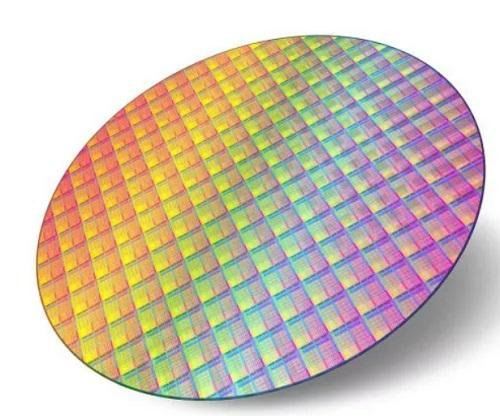
If you’re running bio-sensor fab at full tilt, a lamp bursting is more than just a headache. It’s a disaster. Imagine it: shards of quartz and halogen gas raining down on your wafers. One pop, and your entire batch is trash. We’ve all been there, or we’ve seen it happen. That’s exactly why we built our infrared lamps to stop that “secondary pollution” before it starts.
Why lamps actually fail
Most of the time, it comes down to thermal shock. You get a localized hotspot, the glass can’t handle the stress, and snap. To fix this, we use high-purity synthetic quartz. It has a very low coefficient of thermal expansion, which is just a fancy way of saying it doesn’t freak out when the temperature swings. It can take a beating during rapid power cycling without cracking. But we didn’t stop there. We also use a dual-layer containment setup. We wrap the IR emitter in a specialized protective mesh or a high-temp quartz sleeve. Think of it as an insurance policy. If the inner filament fails and the tube pops, the outer barrier catches all the debris. Your wafers stay clean, and you don’t lose your mind.
Handling the heat
Bio-sensor work needs heat—and it needs it fast. We push a ton of wattage through a tiny footprint to get that intensity. The problem? That kind of pressure puts a massive strain on the seals. To keep things tight, we use reinforced electrodes. It stops the gas leaks that usually kill a lamp way before its time.
A few things to watch out for
Here’s the catch: high-output lamps get incredibly hot. While our design keeps the glass shards off your wafers, that ambient heat can still warp your mounting brackets if they aren’t up to the task. Just make sure your cooling fans or water jackets can actually handle the total wattage of the array. And please, wire these into a system with a solid PID control. If you overshoot your target temperature, you aren’t just risking the bio-sensor—you’re eating away at the life of the lamp. Keep the temperature stable, and these tubes will happily run for thousands of hours before you need to just pop in a replacement.