
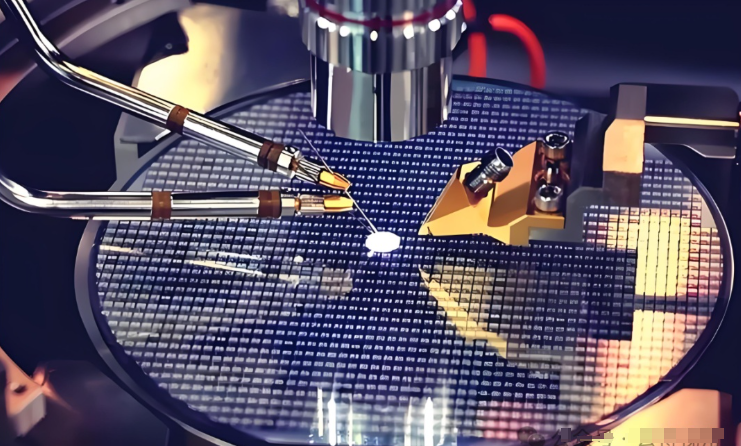
Why you should stop heating the air in your cleanroom
If you’re still using forced air ovens for semiconductor processing, you’re basically paying a “time tax” every single day. I see it all the time. Shops are running these massive hot air circulation systems that spend half their energy heating up the air and the walls of the chamber before the actual workpiece even feels a thing. It’s a waste. The speed difference is wild. Think about how forced air works. It’s slow. It has to nudge the heat from the air into the part. But infrared (IR) is different. It’s electromagnetic radiation—it moves at the speed of light and hits the target directly. There’s no waiting around for a thermostat to hit a certain number. You flip a switch, and it’s on. Just like that. In a cleanroom, that means your ramp-up time goes from minutes to seconds. It’s a massive win for your workflow. Less wind, less junk. Then there’s the contamination side of things. To get heat to move in a traditional oven, you need to move a lot of air. That creates turbulence. And in a cleanroom, turbulence is just another word for “dust and particles flying everywhere.” IR heaters don’t have fans. They don’t have ducts. No moving parts, no wind. You get a much smaller equipment footprint and you kill off one of the biggest sources of airborne particles in the room. It just feels cleaner. The catch (because there’s always a catch). Now, IR isn’t a magic wand. You have to be smart about it. Since it’s line-of-sight, if your parts are stacked or have weird, deep recesses, you’re going to end up with cold spots. You can’t just throw a lamp in and hope for the best; you have to really plan where those lamps go to get the heat even. Also, IR is intense. It hits hard and fast. If your sensors or your PID loop are sluggish, you’ll overshoot your target temperature before you even realize it. One wrong move and you’ve toasted your wafer. But if your bottleneck is throughput—if you’re trying to push hundreds of parts through an hour—stop wasting time heating the air. Just heat the part.