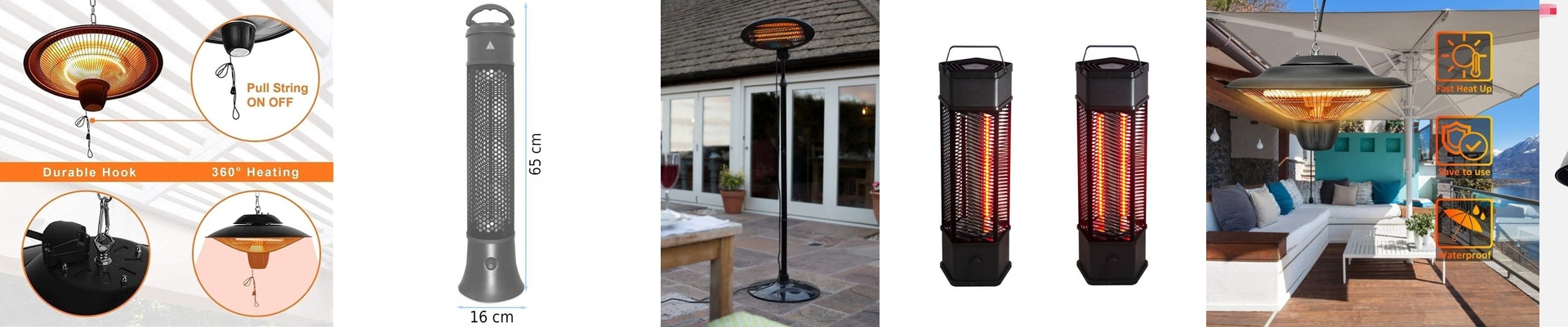
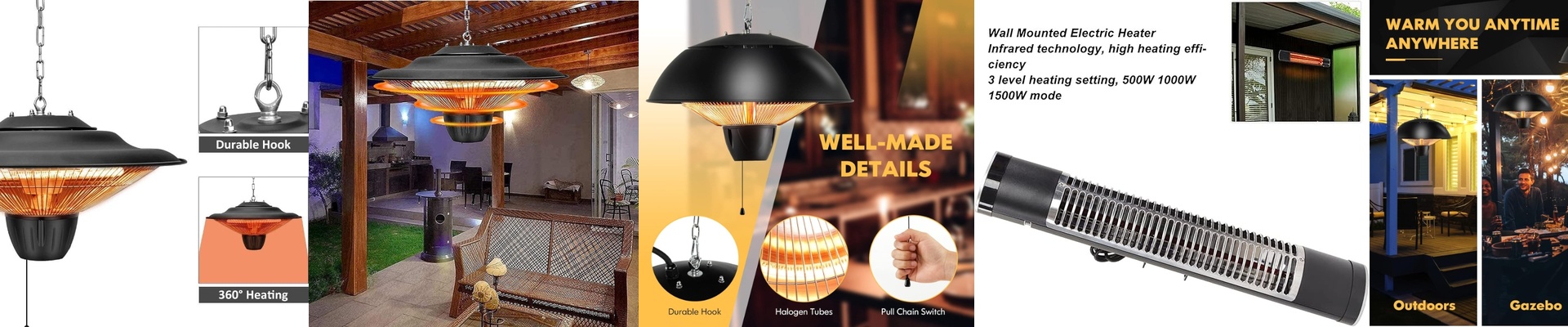
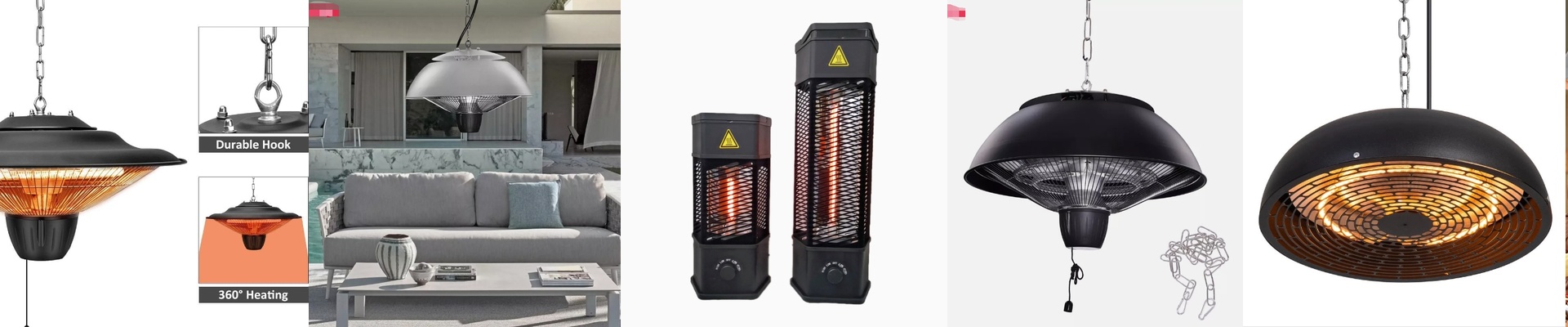
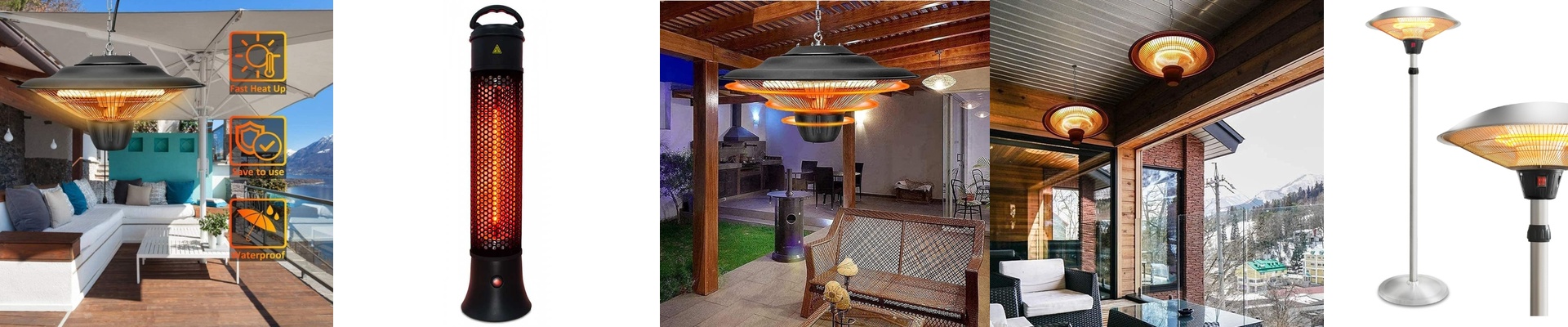
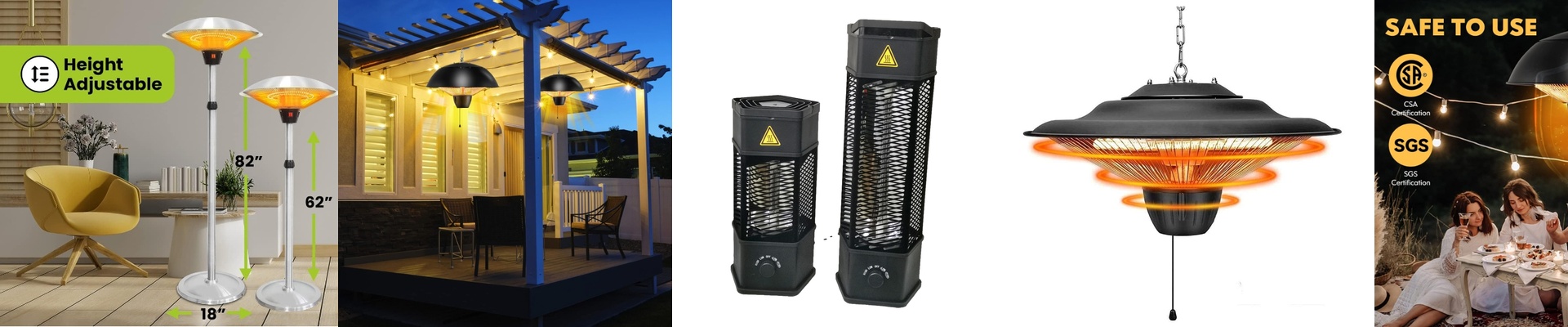

In a lot of homes—especially the ones off the beaten path—keeping a room warm usually means putting up with a kerosene stove. You know the deal: that sharp fuel smell, the soot that coats the walls, and the nagging worry about ventilation. Swap that out for a long-range infrared patio heater, and the whole space feels different almost immediately. The air stays cleaner because the heat comes from light, not combustion. You get warmth exactly where you need it, with none of the drafts, smoke, or lingering odor. What matters, technically A long-range infrared patio heater delivers radiant warmth by running an electric element that heats fast and throws the energy outward, much like the sun warming your skin. In practice, that means the heater hits full output within seconds—no waiting around for a warm-up cycle. The heat is directional, so it covers a wide area at a distance. That makes it ideal for patios, covered porches, or open indoor spaces where air movement tends to steal warmth. Since it’s electric, there’s no flame, no fuel storage, and no exhaust. Many models come with a thermostat for steady comfort and built-in safety like tip-over protection and overheat protection. If you’re running it outdoors, look for a unit rated for wet conditions—usually indicated by an IP rating—so moisture and weather don’t turn into a headache. Why this switch makes sense Replacing a kerosene stove with an infrared heater goes straight at indoor air quality. No burning fuel inside means you avoid particulate soot and that heavy odor that gets into curtains and furniture. The room feels calmer, and breathing is easier—especially for families and pets. Indoors, the comfort is more natural: the warmth arrives quickly, and it doesn’t dry the air the way some forced-air systems do. Outdoors, the long-range coverage keeps conversation areas warm without crowding the heater into the seating. You end up with more usable hours on the patio—earlier in the season and later into the evening. What you need to know Infrared heat works best with a clear line of sight. Walls, overhead roofs, and furniture can block or reflect the warmth, so placement matters. Plan on having a nearby outlet, or for a permanent setup, consider professional wiring that matches the heater’s power requirements. And yes, the heat feels immediate—but it won’t warm objects behind you as effectively. Put the unit where it covers the main seating area, and you’ll feel the difference right away.