

Stop Waiting on Hot Air: Moving to Ozone-Free IR
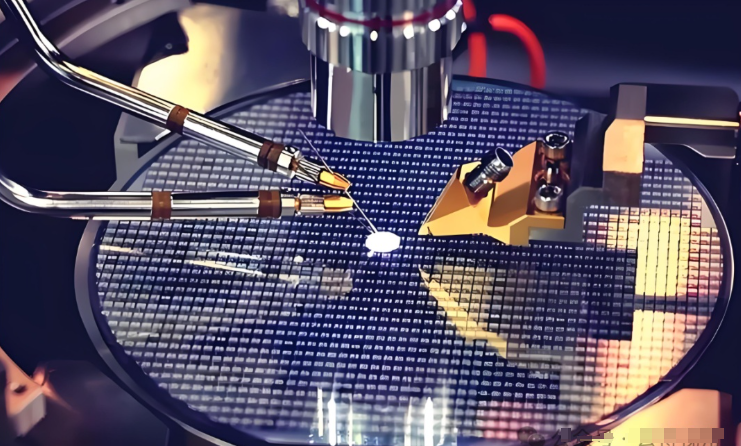
For a long time, forced air was just how things were done in semiconductor processing. You heat up a big volume of air, push it around, and hope it transfers enough energy to your wafer. The problem? It’s slow. There’s this annoying thermal lag that eats into your time and kills your batch efficiency. We’ve found a better way. We use ozone-free infrared (IR) lamps to just… skip the air entirely. Direct energy. No middleman. Think of it like this: instead of waiting for a fan to blow hot air across a surface, IR lamps send electromagnetic radiation straight into the substrate. It’s instant. Your ramp-up time goes from minutes to seconds. When you’re running 10,000 wafers, shaving just 30 seconds off a cycle isn’t just a small win—it’s a massive boost to your bottom line. But what about the ozone? Here’s the catch with standard shortwave IR lamps: they often produce ozone (O3) because of the UV light they emit. In a cleanroom, ozone is a nightmare. It eats away at surfaces and ruins sensitive organic layers. To fix this, our lamps use special quartz filtering and modified filament chemistry to block those UV wavelengths. You get all the heat, but none of the chemical mess. The honest trade-offs I won’t tell you it’s a “plug-and-play” switch, because it isn’t. IR is directional. If your parts have weird shapes or deep nooks and crannies, you’re going to hit “cold spots” where the light can’t reach. You’ll need to spend some time mapping out your lamp arrays and reflectors to make sure everything heats up evenly. And a heads-up on the power: these lamps pull a lot of juice. Make sure your wiring can handle that initial surge when you flip the switch, or you’ll be spending your afternoon resetting breakers. Still, if you’re chasing high-precision and high speed, this is the way to go. You get a smaller heating footprint and a much faster cycle. It just makes sense.