
Stop Letting Your Patio Go to Waste This Winter
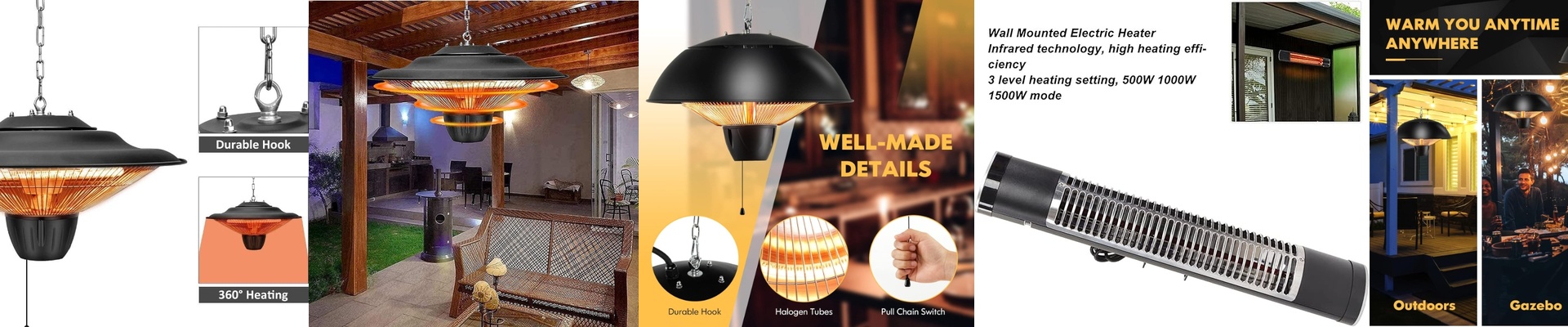
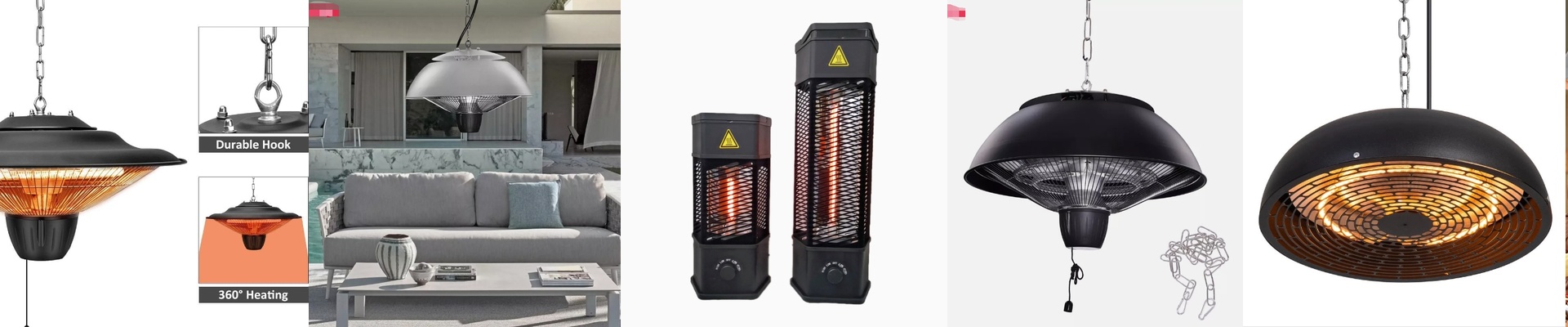
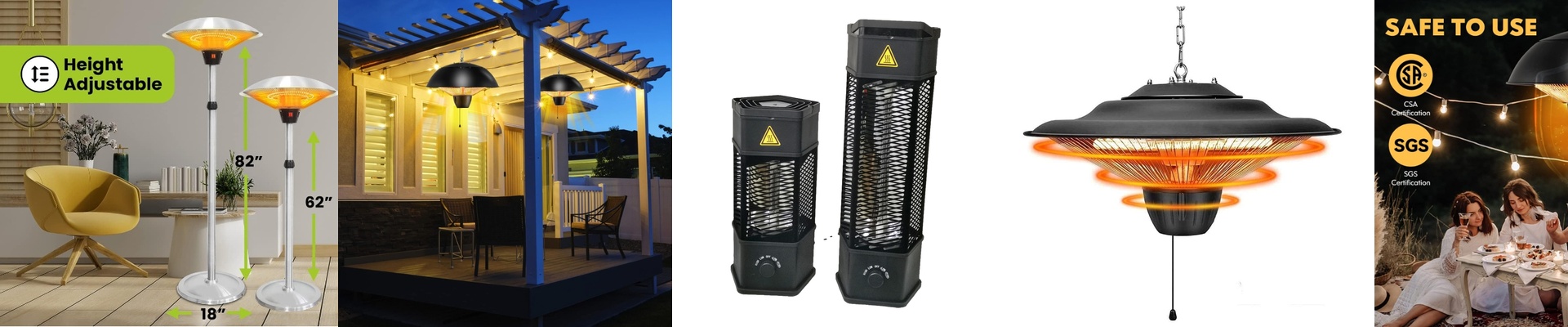
It’s the same story every year. As soon as the temperature drops, your outdoor seating becomes a ghost town. It’s a waste of space, and honestly, a waste of money. We build waterproof infrared table heaters to fix that. The goal is simple: give your guests immediate warmth that actually stays put, even when the wind is kicking up.
Why “Heating the Air” Doesn’t Work
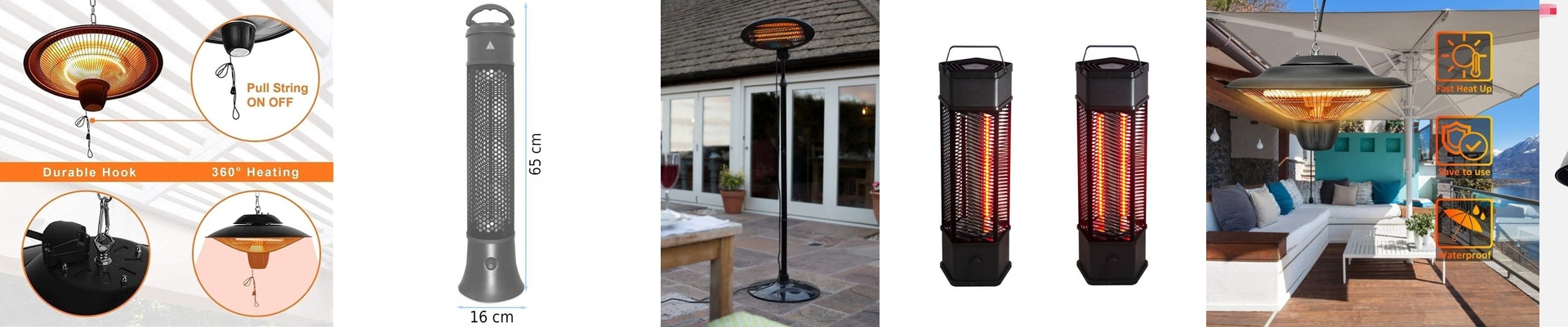
Here’s the thing about those big forced-air heaters: they’re basically useless outdoors. You turn them on, the warm air rises or blows away, and your guests are still shivering. Our heaters work differently. They use shortwave infrared, which means they heat the people and the objects—not the air. It creates a little bubble of warmth right around the table. When someone sits down and feels that heat hit them instantly, they relax. And when they’re relaxed and warm, they don’t rush off. They stay for that extra round of drinks or a dessert they weren’t planning on ordering.
Built for the Rain (and the Snow)
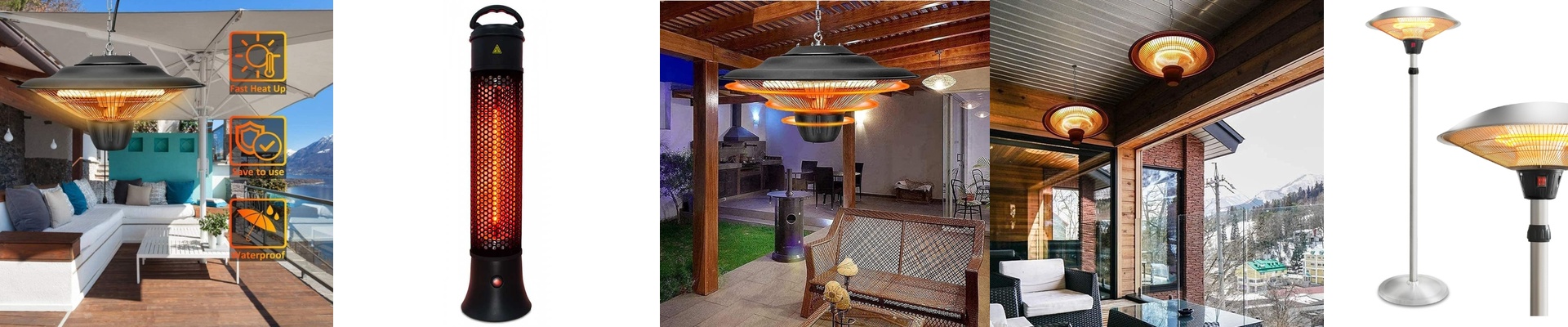
Since these live outside, we didn’t mess around with the build. They have a high IP rating, which is just a fancy way of saying they’re sealed tight. Rain or snow won’t get inside to fry the circuits. We also used high-grade aluminum for the housing—it keeps the internal electronics cool while making sure the whole thing feels solid and stable. One quick heads-up: keep an eye on your power. These units pull a decent amount of wattage to get hot fast. If you try to plug ten of them into one circuit, you’re going to trip your breaker. It’s a pain to fix mid-service, so we suggest dedicated lines or balancing the load across your patio.
The Bottom Line
It’s basic human nature. Cold guests leave. Warm guests linger. By putting a heater at every table, you’re essentially adding more square footage to your restaurant during the winter months. You’ll just need to make sure they’re mounted securely so they don’t tip, and positioned at the right height so nobody gets too close to the element. Get the setup right, and the extra revenue from those occupied seats usually pays for the equipment in a single season.