


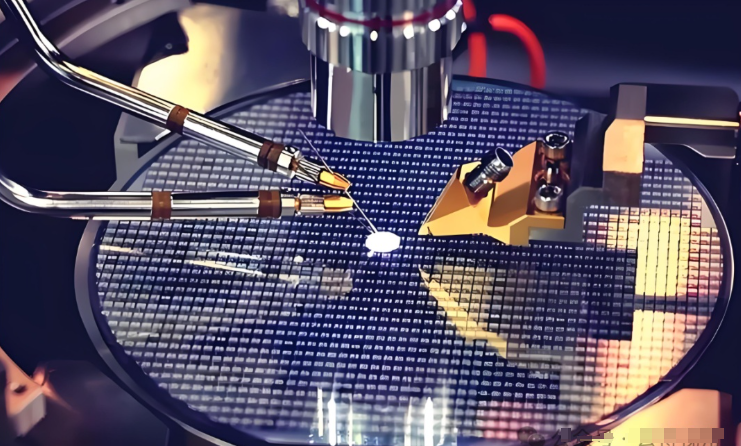
Keeping Your Class 100 Cleanroom Actually Clean
If you’re running a Class 100 cleanroom, you know the drill. One tiny speck of dust in the wrong place and your whole batch of semiconductors is toast. The problem is that most heating elements are basically dust factories—they outgas or shed microscopic flakes the moment they get hot. We fixed this by sticking to a simple, high-purity combo: quartz infrared lamps and Teflon (PTFE) wiring. The deal with high-purity quartz We use fused quartz for the lamp envelopes. Why? Because it can take a massive thermal shock without flinching, and it won’t leak impurities into your air. These lamps use short-wave infrared radiation. Instead of heating up the air around the wafer—which creates those annoying convection currents that kick up floor dust—the energy goes straight into the substrate. It’s cleaner. Much cleaner. Why we insist on PTFE wiring Here’s the thing about standard PVC or silicone wiring: they hate heat. They burn off or release volatile organic compounds (VOCs) that can ruin your work. That’s just not an option in semi-fab. That’s why we use Teflon (PTFE) coated wiring. It’s chemically inert and can handle the heat without breaking a sweat. It won’t degrade, it won’t flake, and it keeps your vacuum or cleanroom sterile. A few tips for the install Just a heads-up: PTFE is stiffer than silicone. If you try to bend it into a tight circle, you’re going to kink the jacket. Give your cables some breathing room. Give them plenty of slack. Also, keep an eye on your cooling. The infrared output is intense. While the quartz itself is pure, that heat flux is aggressive. Make sure your cooling manifolds are sized right. If they’re too small, your mounting brackets might warp. Even worse, you’ll start seeing your lamps die early because the seals at the endpoints just can’t take the heat.