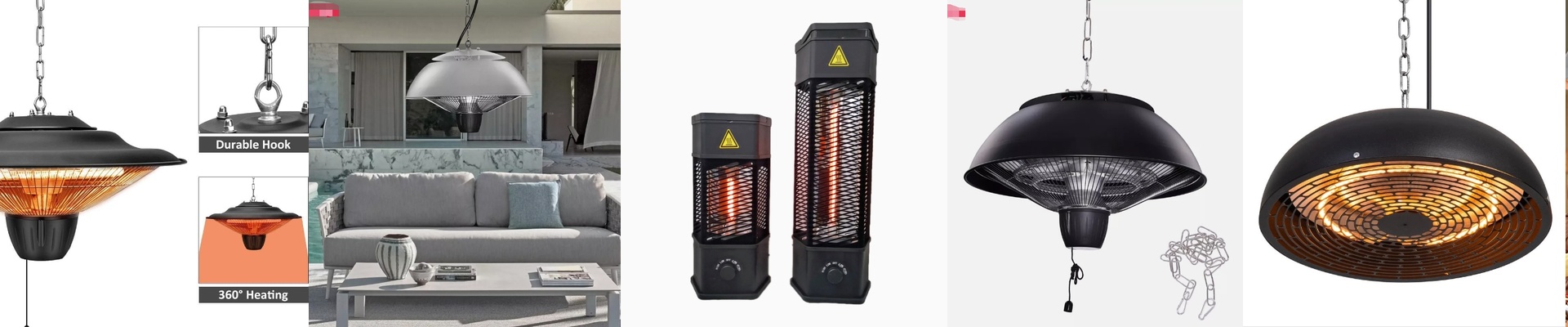

Making Your Patio Warm (And Smart)
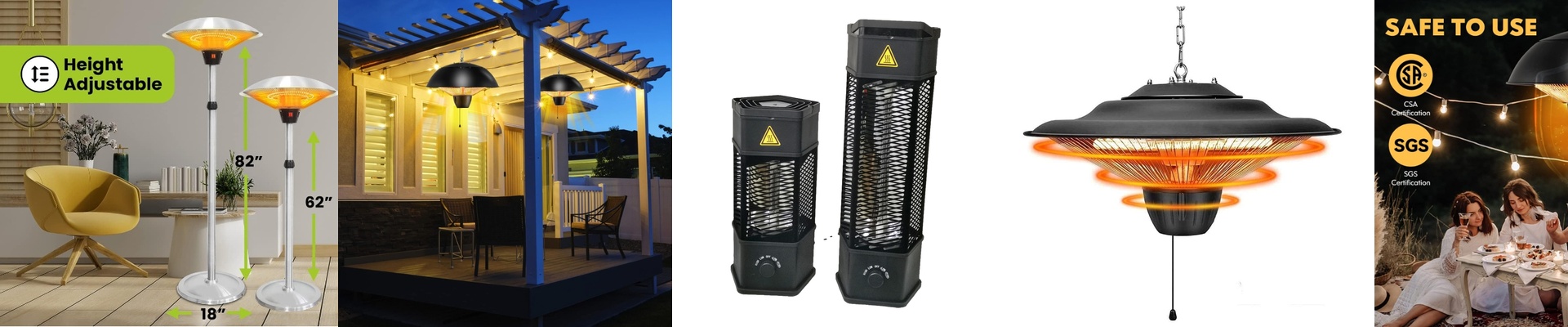
We built our infrared heaters to take a beating. When you’re putting electronics outside, you’ve got to deal with dust and the occasional rainstorm. That’s why we use an IP55 rating. In plain English? The guts of the heater are sealed up tight. You can mount them in spots where they might get a bit of a spray or some wind-blown grit, and you won’t have to worry about a short circuit ruining your evening.
Heat That Actually Hits You
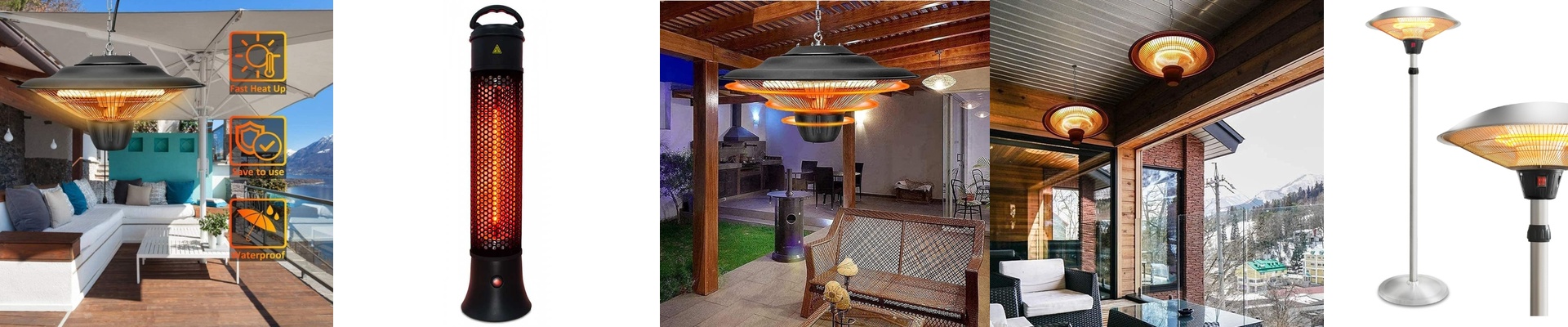
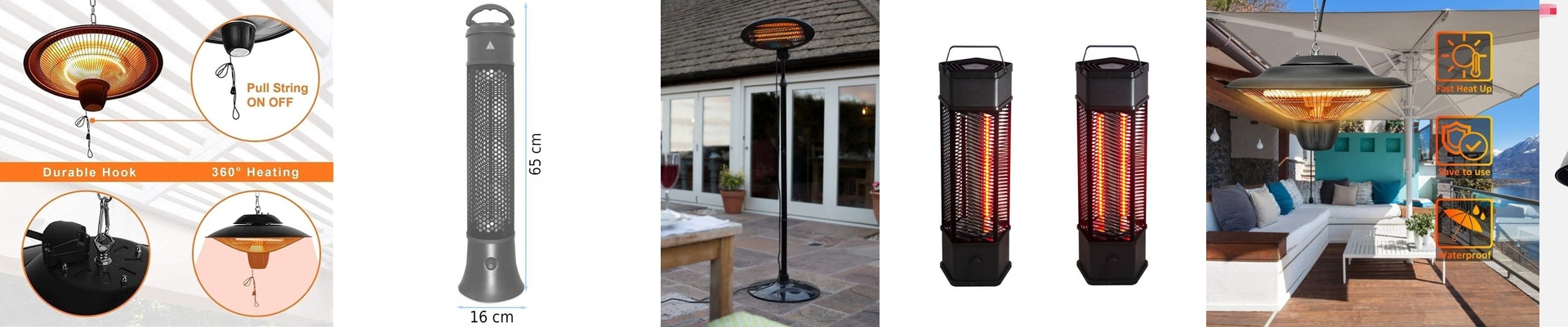
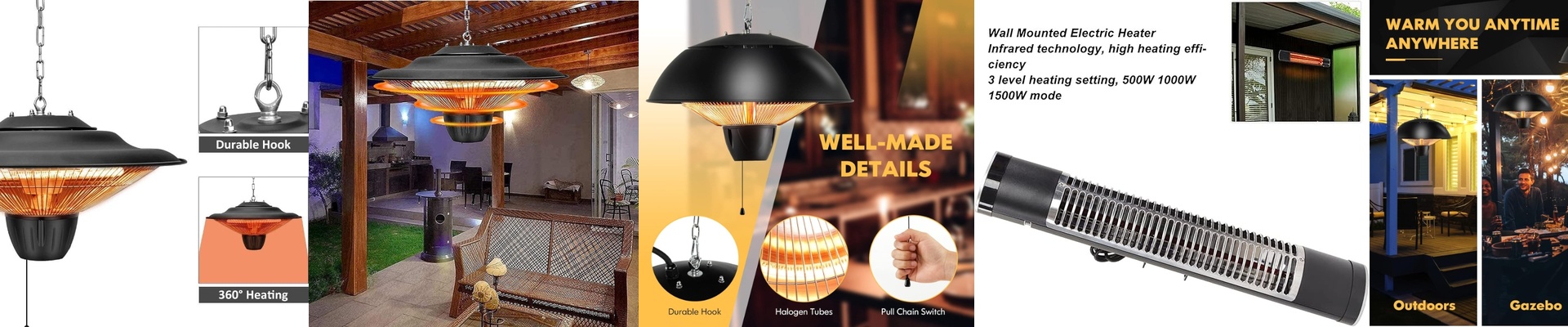
Most heaters try to warm up the air around you. The problem is, if you’re outside, the wind just carries that warmth away. Our units do things differently. They use short-wave infrared radiation. Instead of fighting the breeze, the heat travels in a straight line and hits you—your skin, your clothes—directly. It’s almost instant. You flip the switch, and a few seconds later, you feel that glow. We call it “instant spring” because it feels like the weather just shifted in your favor.
Getting it to Play Nice With Your Smart Home
Linking these to your smart home is pretty straightforward, provided you have a relay or a smart dimmer that can handle the wattage. We usually go with Zigbee or Matter controllers. Here’s where it gets cool: you can set up some simple rules. For example, you can tell your house, “If the outdoor temp dips below 10°C and I open the patio door, turn on the heat.” Plus, you can just trigger it from your phone. No more shivering while you walk across a cold deck to find a manual switch.
A Quick Warning on the Wiring
One thing to keep in mind: these heaters pull a lot of power. If you’re planning to put a bunch of them on one smart circuit, be careful. If you use cables that are too thin, you’ll get voltage drops. Even worse, if you overload a single smart relay, it’ll likely fry. To keep things stable and safe, we suggest giving each high-power zone its own dedicated circuit. It’s a bit more work upfront, but it means you won’t be sitting in the dark and cold because a relay gave up the ghost.