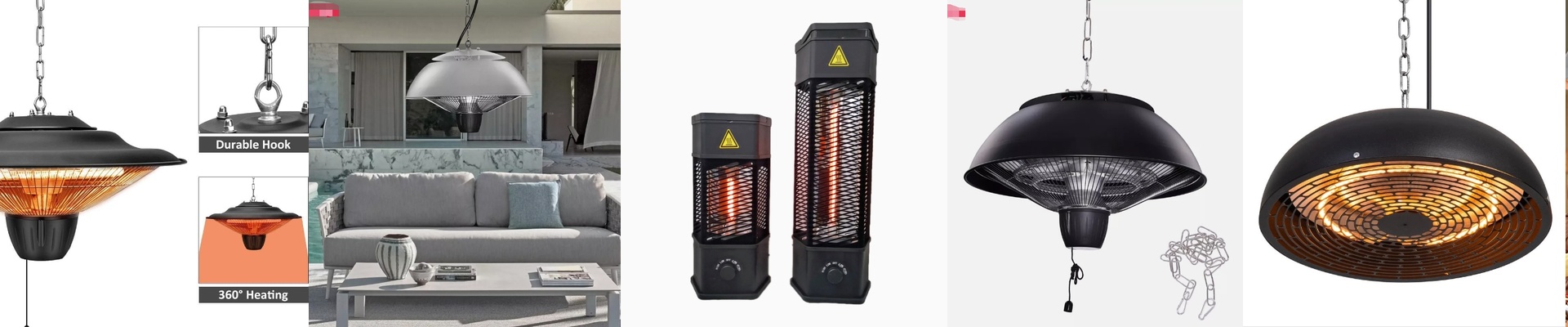

Keeping Bathrooms Warm Without Blinding Your Kids
When you’re designing an infrared heater for a bathroom, you’re basically fighting a war on two fronts. First, you’ve got water everywhere. Second, you have to make sure the light doesn’t hurt anyone’s eyes—especially babies, who can’t just look away. To get this right, we focus on two things: a rock-solid seal and some smart light filtering.
Dealing with the Water
An IPX5 rating is just a fancy way of saying the heater can take a blast of water from any direction and keep on ticking. We make this happen using high-temp silicone gaskets and reinforced glass. Why bother? Because bathrooms are humid. If moisture sneaks inside, your wiring shorts out or the quartz tube cracks from the sudden temperature shift. It’s a mess. Just a heads-up: if your housing vents aren’t designed right, you’ll blow the seal and fry your electronics way sooner than they should go.
Fixing the Glare
Standard short-wave infrared lamps are blinding. Seriously. They’ve got this harsh glare that nobody wants in their face while they’re showering. To fix that, we add a special coating or filter. This shifts the light spectrum so the “blinding” part is dialed down, but the heat stays strong. We aim for the 700nm to 1400nm range. The result? Your skin feels that deep, cozy warmth, but your eyes aren’t being blasted by a spotlight.
The Trade-off
Here’s the catch: you can’t have a filter without losing a little bit of power. Any coating you put on a quartz tube will eat a small percentage of the heat. You’re trading a bit of raw wattage for that soft, comfortable light. If you’re spec-ing these out, just bump up the lamp wattage or move the heater a bit closer to the user to make up for that dip in thermal density. One last thing. Please, for the love of everything, wire these into a dedicated circuit with a proper GFCI breaker. Infrared lamps pull a lot of current, and when you mix that with a wet floor, there’s zero room for sloppy electrical work.